

Hyrox gear mistakes are one of the main reasons athletes underperform on race day, even when their fitness level is more than sufficient. Most competitors assume equipment choices are secondary, but in HYROX, small gear errors quietly destroy pacing, execution, and comfort over the entire race.
These mistakes are common, especially among first-time competitors. They don’t look dramatic, but they quietly degrade performance over the entire race.
HYROX races follow a standardized competition format and equipment setup, as outlined in the official rules published by HYROX
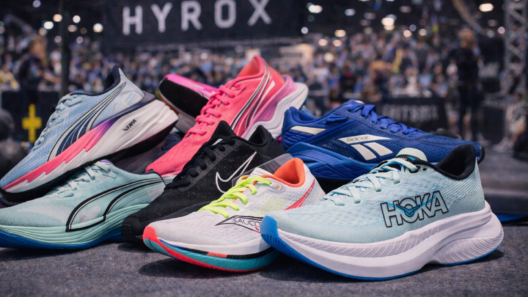
Hyrox Gear Mistakes #1 : Choosing Running Shoes That Don’t Match Race Demands
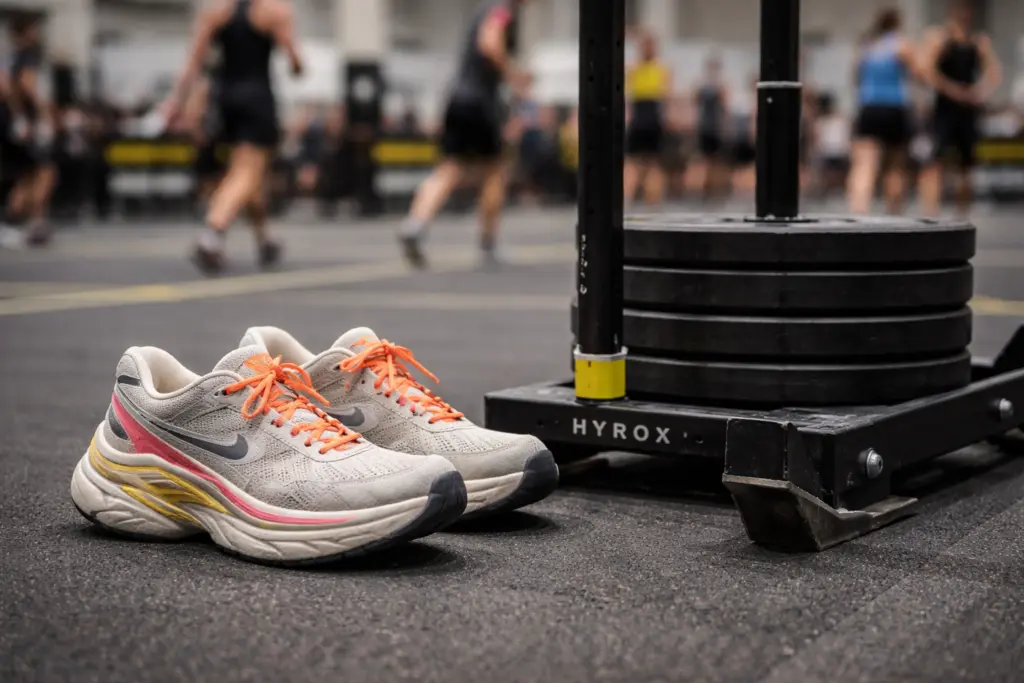
Choosing the wrong shoe is one of the most common gear errors in HYROX, especially for first-time racers who underestimate the balance between running efficiency and station stability. This is why shoe selection deserves the same attention as training, as explained in our best shoes for HYROX breakdown.
The most common issue is instability. Highly cushioned shoes may feel comfortable during the runs but become a liability during strength-based stations. Energy leaks through soft soles, foot placement becomes less precise, and fatigue accumulates faster.
On the other end, shoes that are too stiff or minimal reduce running efficiency over repeated kilometers. Beginners often underestimate how much the run segments matter.
The result is a shoe that is good at one thing and bad at everything else. HYROX punishes that imbalance.
Hyrox Gear Mistakes #2 : Wearing Gloves That Kill Grip and Transitions
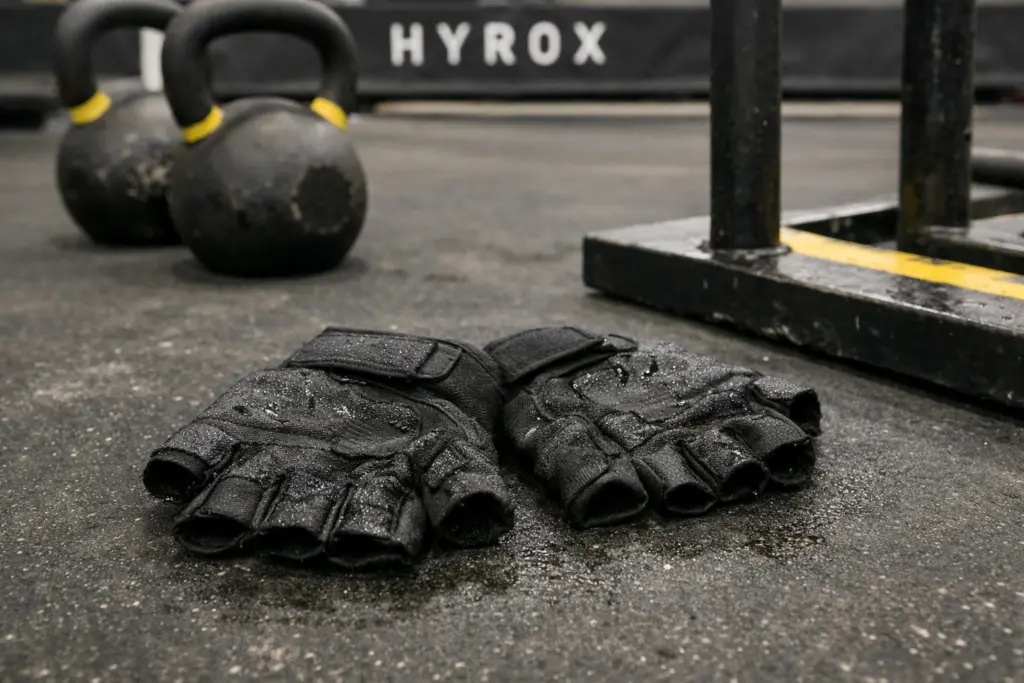
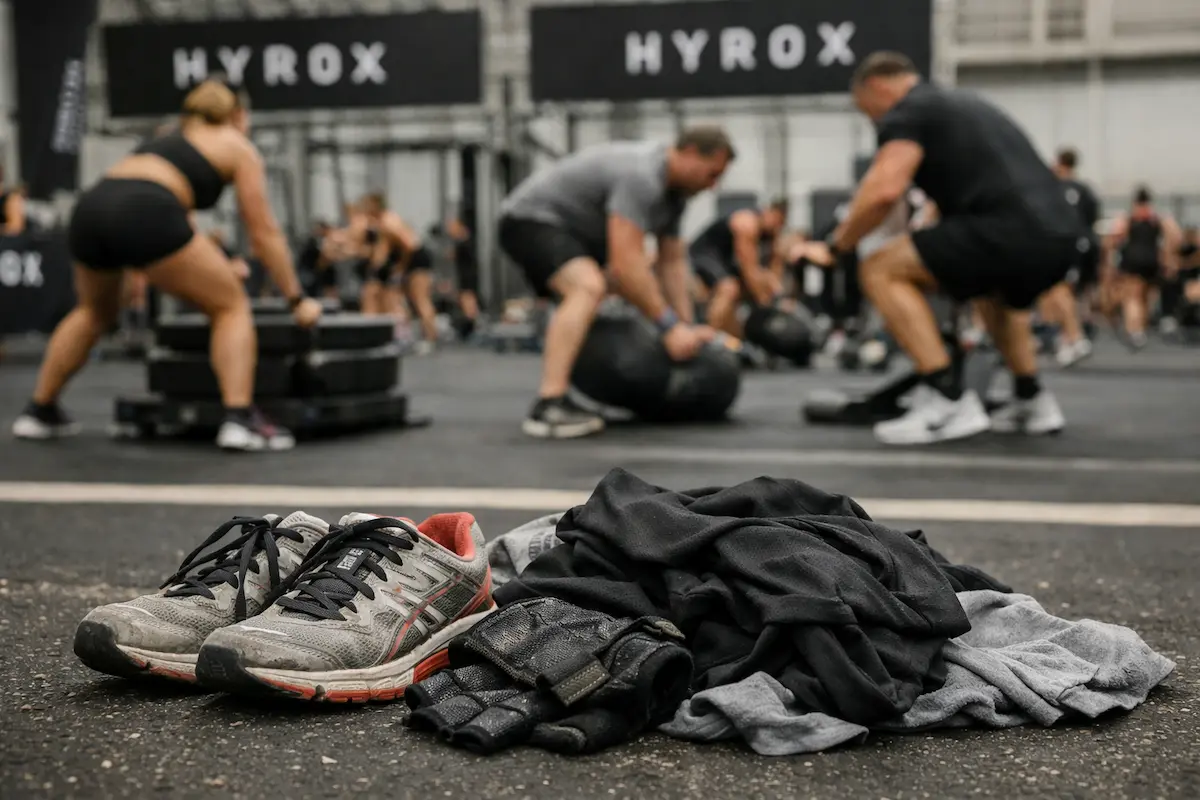
Many beginners assume gloves will protect their hands or improve grip, but in HYROX this often backfires. Grip rules, equipment handling, and practical limitations are frequently misunderstood, which is why we detailed this topic in our guide on HYROX grips and gloves.
Gloves reduce tactile feedback. They trap sweat. They make transitions slower. When hands are wet, fabric gloves become slippery, especially on sled handles, kettlebells, or wall ball grips.
This leads to longer setup times, more grip breaks, and unnecessary pauses inside stations. Over the course of the race, these seconds add up.
In HYROX, grip efficiency matters more than hand comfort. Anything that interferes with fast, repeatable contact with equipment becomes a liability.
Hyrox Gear Mistakes #3 : Ignoring Clothing Friction and Heat Management

Clothing mistakes are rarely obvious at the start. They reveal themselves halfway through the race.
Common problems include :
- Shirts that hold sweat and become heavy
- Shorts that cause inner-thigh friction
- Waistbands that shift during running and lunges
These issues do not stop you, but they constantly distract you. Discomfort changes posture, breathing patterns, and movement quality.
HYROX is long enough for small irritations to turn into real performance drains. Athletes who ignore fabric choice, fit, and ventilation often pay for it late in the race.
Hyrox Gear Mistakes #4 : Over-accessorizing and Carrying Useless Gear
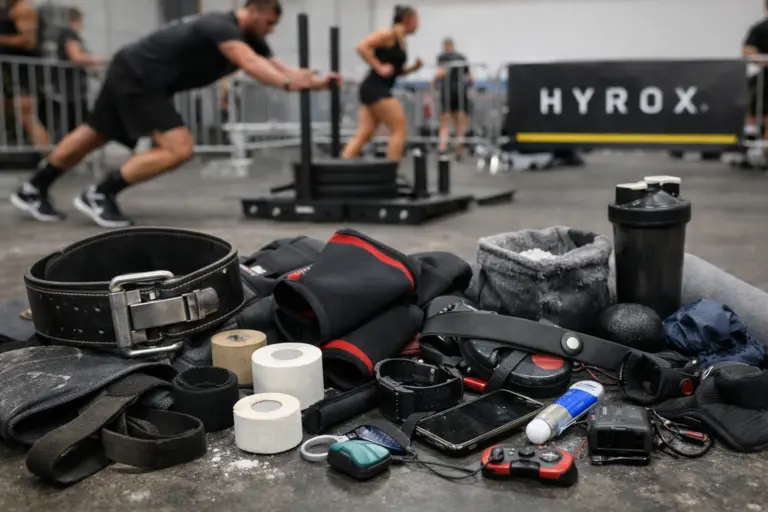
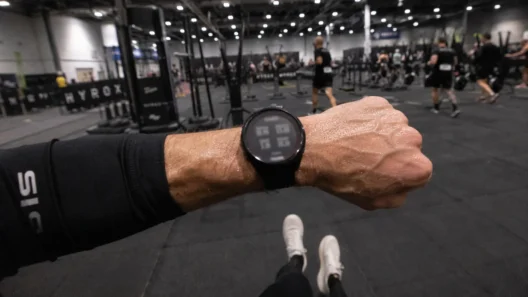
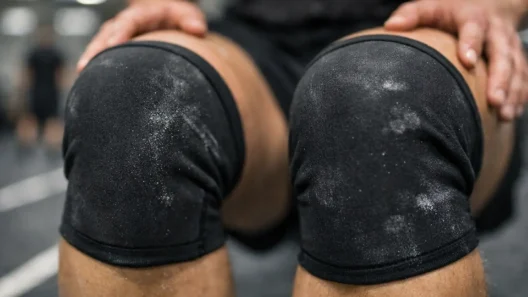
Belts, straps, compression pieces, gadgets. Beginners often show up over-equipped.
Every extra item adds complexity. It increases decision-making under fatigue and slows down transitions. Adjusting gear mid-race costs more time than it saves.
HYROX rewards simplicity. If a piece of equipment does not clearly improve execution across multiple stations, it is probably unnecessary.
Experienced athletes tend to race with the minimum required setup. Fewer items mean fewer problems when fatigue sets in.
Hyrox Gear Mistakes #5 : Testing New Gear on Race Day
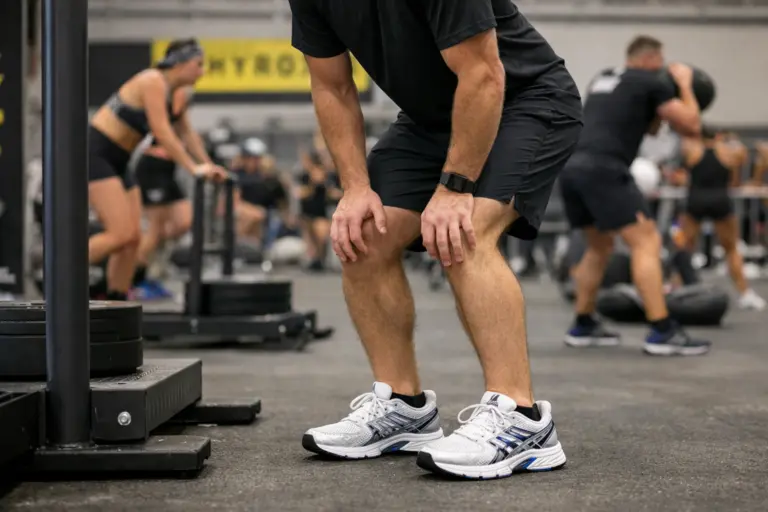
This is the most damaging mistake, and it happens constantly.
New shoes, new shorts, new socks, new accessories. Athletes assume that if something feels good in warm-up, it will be fine for the race.
HYROX exposes weaknesses that short sessions do not. A shoe that feels stable at low fatigue may fail under cumulative stress. Clothing that feels fine dry may become problematic once soaked with sweat.
Race day is not a testing environment. Any uncertainty in gear becomes amplified over time.
Final takeaway
These mistakes ruin HYROX performances not because they are dramatic, but because they operate quietly. They affect stability, grip, comfort, and execution — the foundations of consistent racing.
Fitness determines potential. Gear determines whether that potential is accessible on race day.
Most of these gear mistakes happen not because athletes are careless, but because first-time competitors underestimate how demanding HYROX really is. Many of these surprises are not discussed openly, as explained in what no one tells you before your first HYROX race.
Most beginners focus on training harder. The smarter approach is first to stop sabotaging performance with avoidable equipment errors.
Training tips & HYROX insights
Join the list — guides, race strategies and performance content, straight to your inbox.